How To Build Habits That Stick: A Systems Approach
ByLasting Change Editorial
Updated onOctober 18, 2026

Habits stick when the action is smaller than your willpower on a bad day, and when it's tied to something you already do. That's the whole mechanism - make the behaviour easy enough that skipping it feels weirder than doing it.
Most habit attempts fail not because the person lacks discipline, but because the habit was built for an ideal version of their week instead of the real one. A habit survives by design, not by motivation.
This guide walks through what a workable week looks like, how often to repeat a new habit, why the easier version beats the ambitious one, and how to fit any of this into a life that's already full.
What a Realistic Week of Habit-Building Looks Like
Forget the idea of overhauling your whole day. A realistic week picks one habit and repeats it in the same slot, even when that slot is imperfect.
A Sample Week for One New Habit
- Monday to Friday - same five-minute version attached to an existing routine, like stretching right after you brush your teeth
- Saturday - the same habit, slightly shorter if the weekend schedule is looser
- Sunday - a two-minute check-in: did it happen, what got in the way, what needs to shrink
- Any missed day - the next opportunity is the next scheduled slot, not a makeup session later that day
Notice there's no rest day built in for the habit itself - the rest is built into keeping the version small enough that it doesn't need one.
How Often You Actually Need to Repeat a New Habit
Frequency Matters More Than Intensity
A habit done in a small form every day builds the cue-response link faster than a bigger version done twice a week, because the brain is pattern-matching on repetition, not effort.
If you can only manage a habit a few times a week, that's still progress, but daily repetition in a smaller form will get you there faster.
Why the Easier Version Always Outlasts the Ambitious One
Compare two people trying to build a reading habit. One commits to thirty pages a night, the other commits to one page a night.

The thirty-page version collapses the first time there's a late night, because the gap between zero and thirty feels too big to close. The one-page version survives the late night because one page takes under a minute, so there's no good excuse to skip it.
This is the whole adherence argument: the harder route demands more from you on exactly the days you have less to give. The easier route asks so little that your worst day and your best day produce roughly the same outcome, and that consistency is what turns a behaviour into a habit.
Making Habit-Building Work Around a Full Calendar
Real weeks have late meetings, sick kids, broken sleep and days that just fall apart. A habit system has to assume this instead of treating it as a failure of willpower.
This is where having a structure around you helps more than relying on memory or mood. Lasting Change builds a step-by-step plan around your actual schedule, with habit stacking and micro-actions sized for the week you really have, not the one you wish you had.
Guided reflections and milestone check-ins give you a way to notice drift early, before a skipped Tuesday turns into a skipped month.
Adapting the Approach to Where You're Starting From
If You're Starting From Zero
Pick one habit, not three, and make the first version almost too easy to count - the goal early on is proving to yourself the slot exists, not seeing results.
If Your Week Is Already Packed
Attach the habit to something that already happens without fail, like making coffee or locking the front door, so you're not finding new time, you're borrowing a moment that's already there.
If You've Tried and Stopped Before
The habit probably wasn't too hard to want - it was too big to repeat on an average day, so shrink the version rather than blaming the effort.
If You're Building This Later in Life
There's no deadline that makes a habit more or less valid - the same small-and-repeated principle applies whether you're starting this at twenty-five or sixty-five.
Where Most People Give Up Before It Clicks
There's a stretch, usually a few weeks in, where the habit feels like effort but hasn't yet become automatic - that gap is where most attempts get abandoned.
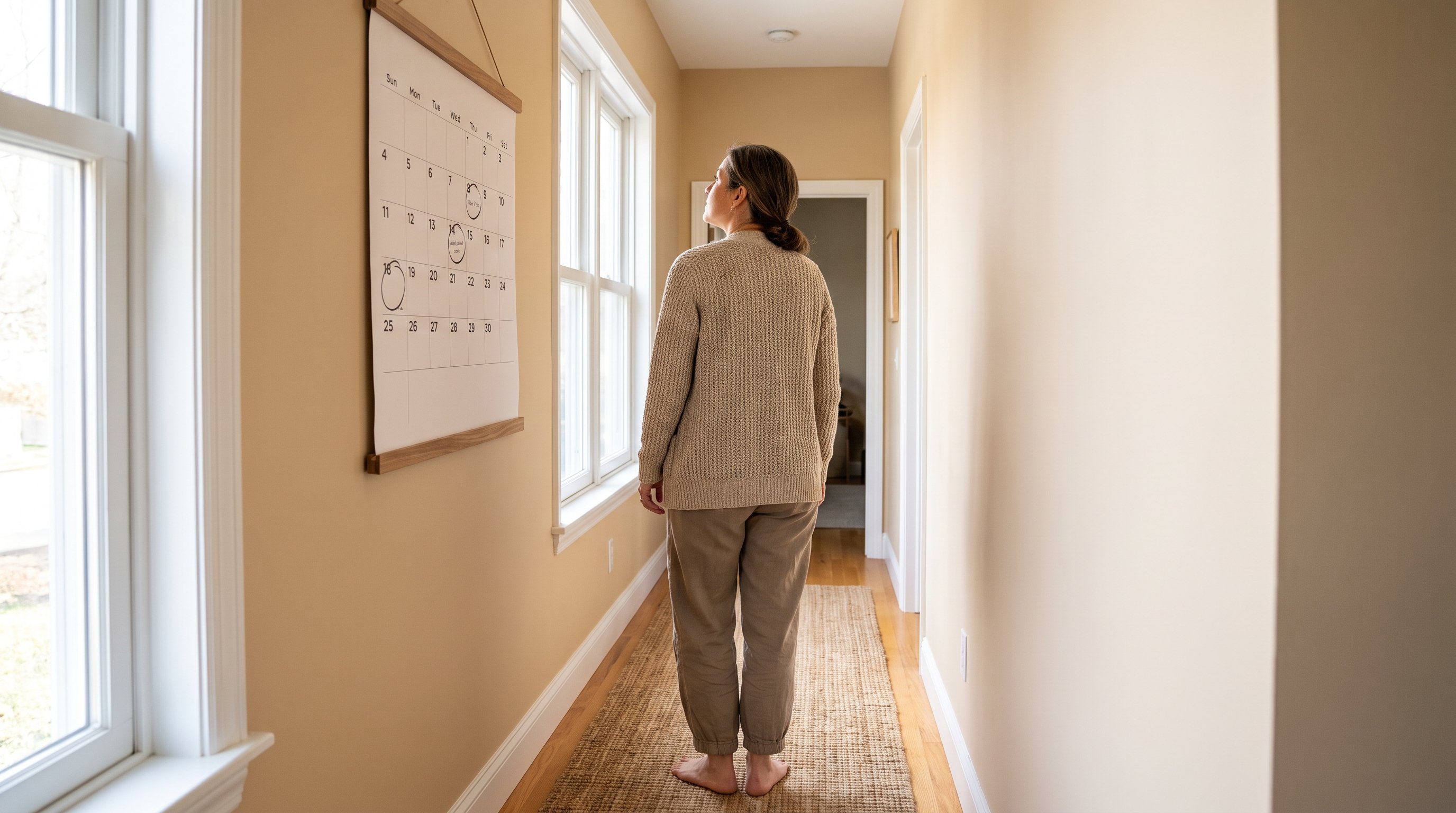
It's tempting to read that friction as proof the habit isn't working, when it's actually just the normal lag between starting something and it becoming unconscious. Expect that middle stretch to feel unremarkable rather than exciting, because unremarkable is what it looks like right before a habit becomes automatic.
Building a System With Lasting Change Instead of Willpower Alone
A habit that depends on how motivated you feel each morning is a habit that's one bad night of sleep away from disappearing.
Lasting Change replaces that gamble with a customized, step-by-step book built around your specific goal, whether that's a steadier morning, less stress, or getting more done without burning out. The companion app tracks your progress and gives you actionable insights, so the system - not your mood that day - is what keeps the habit moving.
Turning This Week Into the One That Actually Holds
You don't need a better personality to build a habit that sticks - you need a smaller version of it and a slot that already exists in your day.
Pick one habit today, shrink it until it takes under two minutes, and attach it to something you already do without thinking - that's the whole starting move, and Lasting Change is built to carry it from there.