Good Habits: A Practical Guide To Building Ones That Stick
ByLasting Change Editorial
Updated onOctober 18, 2026

Good habits are just repeated actions that move you toward something you actually want, done often enough that they stop needing willpower. The mechanism is simple: a cue triggers an action, the action gets easier each time you repeat it, and eventually it needs less thought than it used to.
That's the whole engine. No mystery, no personality trait required - just repetition in a context that keeps showing up.
This guide covers whether these behavioral patterns actually work, what they cost against the harder alternative, who needs to adapt the approach, and the honest answer to the promise people want: a fast fix.
Do Good Habits Actually Change Your Daily Life?
Yes, and the reason is arithmetic, not motivation. A single five-minute habit done once does almost nothing - but done daily for a month, that's roughly two and a half hours of consistent action you didn't have before.
The mechanism behind this is repetition lowering the effort cost each time. The first time you do something new, your brain treats it like a decision - weighing it up, finding reasons to skip it.
By the tenth or twentieth repetition, in the same context, it starts to feel more automatic and less like a choice.
That's the honest trade: these patterns don't feel powerful on day one. They feel powerful on day thirty, once the small, boring repetitions have stacked up into something you can actually see.
One Big Resolution Versus Several Small Habits
This is the real decision most people are weighing, whether they realise it or not: go all-in on one big change, or build a handful of small ones that fit around real life.
Here's how the two approaches actually compare once you line them up.
Neither option is wrong, but they ask different things of you on a bad week - and most weeks have a bad day in them somewhere.
Why Small Habits Outlast Big Willpower Pushes
The harder alternative - relying on willpower to push through a big resolution every single day - has one fatal flaw: willpower runs out, and it runs out faster on stressful days, which are exactly the days you need consistency most.
Small habits sidestep that problem entirely. A two-minute version of a habit doesn't need much willpower to start, so it survives the days when motivation is nowhere to be found.
Adherence is the whole game here. A behavioral pattern you actually keep doing at a smaller size beats a bigger version you abandon after two weeks, because the smaller one is still running when the bigger one has already stopped.
Adapting Good Habits to Different Starting Points
If You're Starting From Zero
Pick one habit, make it small enough to feel almost too easy, and attach it to something you already do every day. The goal early on isn't impact - it's proving to yourself that you can keep a promise to yourself.
If Your Schedule Changes Week to Week
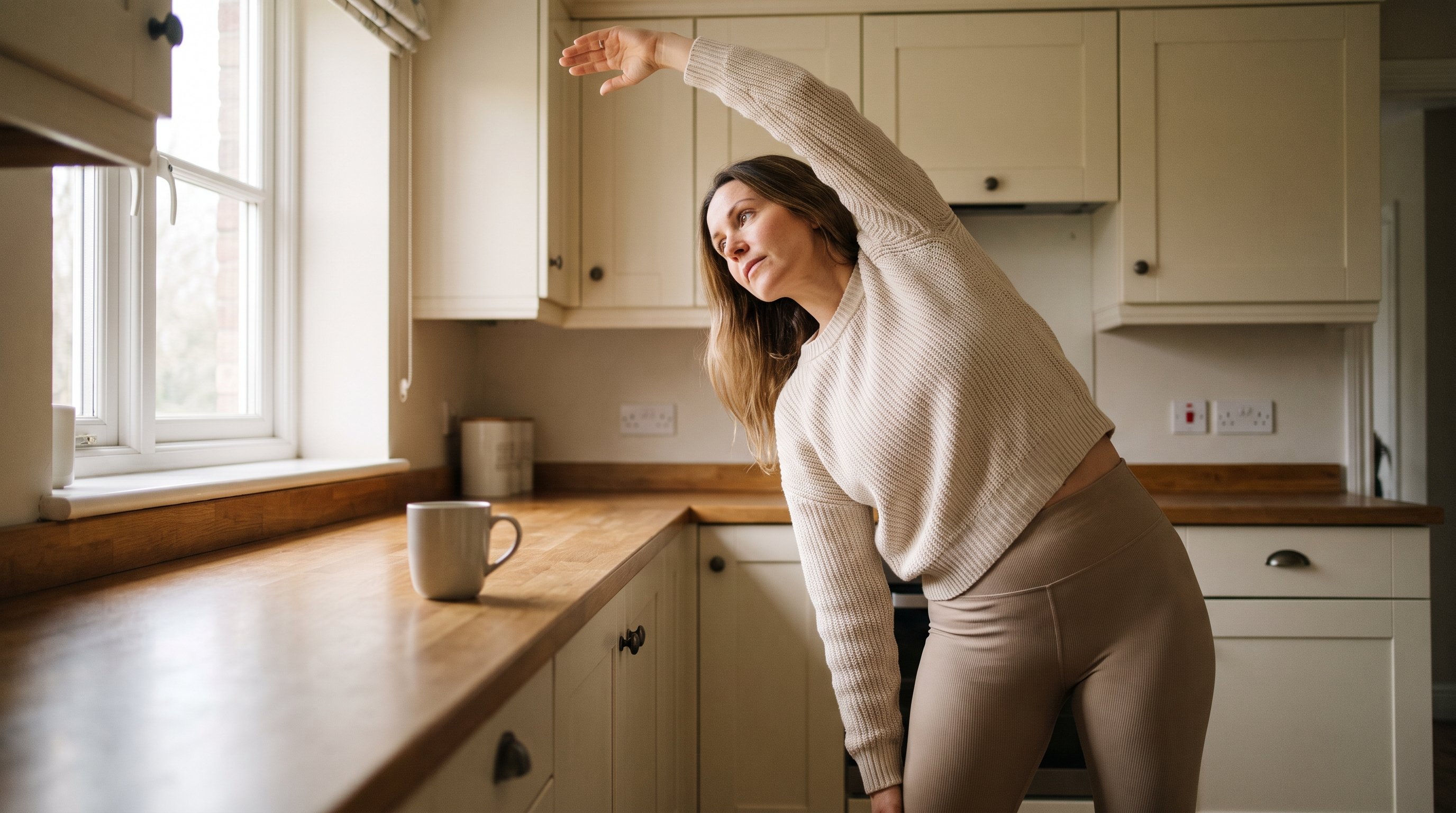
Anchor the habit to an event rather than a clock time, since events still happen even when your hours shift. A habit tied to 'after I make coffee' survives a chaotic week better than one tied to '7am sharp'.
If You're Returning After a Long Break
Start smaller than you think you need to, because the habit you quit before was probably sized for a version of your routine that no longer exists. Rebuilding from a smaller base gives you something to actually sustain rather than restart.
If You've Tried and Stalled Before
The issue usually isn't you - it's that the habit depended on remembering and deciding fresh each day. Building in a cue and a tracker removes the memory and decision cost, which is usually where good intentions quietly fall apart.
Building Good Habits Around a Week That's Already Full
Real life doesn't pause for a new habit - the laundry still needs doing, the inbox still fills up, and the evenings still disappear faster than planned.
The fix isn't finding more hours, it's shrinking the habit until it fits inside the hours you already have. A habit that takes two minutes doesn't need a gap in your calendar; it just needs a trigger.
This is where a structure helps more than good intentions do. The Lasting Change book builds a step-by-step plan around your actual routine, with strategies for habit stacking and micro-actions designed to fit the time you genuinely have, not the time you wish you had.
The Overnight Transformation Myth, Answered Honestly
Here's the promise everyone wants: a habit that changes everything within days. It doesn't exist, and anyone selling it is selling a feeling, not a mechanism.
The body and the brain both change through repetition, not through a single dramatic effort - that's just how the process works, and there's no shortcut around it.

The real answer is less exciting but more useful: small actions, repeated consistently, compound into something noticeable over time. Nobody can promise you a date for that - only that the repetitions are what get you there, not the intensity of any single day.
Building Lasting Behavioral Patterns With Lasting Change As Your Framework
A list of behavioral patterns means nothing if it's generic - what works for one person's routine can be completely wrong for someone else's mornings, job, or energy levels.
Lasting Change is built around that problem directly. It's a fully customized self-growth book, written as a step-by-step manual for your specific situation, with a section dedicated entirely to your particular growth area, whether that's a morning routine, stress, or productivity.
Pair it with the assistant app and you've got tracking, milestone check-ins and guided reflections keeping the habit visible, so it doesn't quietly slide off your radar the way untracked habits tend to.
Turning One Good Habit Into a System That Holds
Pick one habit, shrink it until it feels almost embarrassingly easy, and attach it to something that already happens every day without fail.
That one small, anchored action is worth more than an ambitious list you abandon by the second week - consistency beats intensity every time. Lasting Change exists to make that first small habit easier to keep and easier to build on, one tracked step at a time.